Rotomolded vs Injection Molded Pickleball Balls: A Buying Guide for Brands
For pickleball brands, clubs, distributors and sporting goods retailers, choosing the right ball construction is an important sourcing decision.
Two common manufacturing options are rotomolded pickleball balls and injection molded pickleball balls.
Both can be suitable for commercial use, but they are not identical. They differ in manufacturing process, playing feel, product positioning and the type of customer they may suit.
For professional buyers, the goal is not to ask:
“Which one is always better?”
The better question is:
“Which construction is better for our target players, market and brand positioning?”
What Is a Rotomolded Pickleball Ball?
A rotomolded pickleball is produced using rotational molding.
This process is commonly used for one-piece pickleball construction and can support a durable, consistent ball structure.
Typical buying considerations include:
Roundness
Wall consistency
Bounce repeatability
Shape retention
Impact durability
Batch-to-batch consistency
Rotomolded balls are often selected by clubs, brands and distributors looking for a familiar and durable product for regular play.
Common options include:
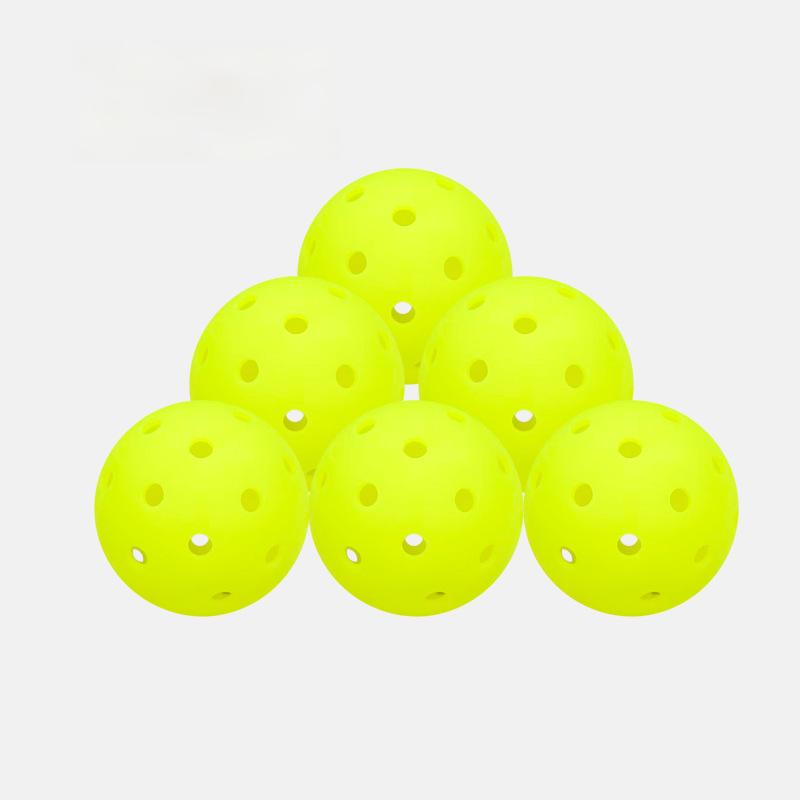
40-hole rotomolded pickleball balls
48-hole rotomolded pickleball balls
For brands, this provides flexibility to offer both a traditional 40-hole model and a newer 48-hole option.
What Is an Injection Molded Pickleball Ball?
Injection molded pickleball balls are produced using injection molding technology.
This process can create a different structural feel and rebound response compared with rotomolded balls.
Typical performance objectives may include:
Fast response
Higher rebound
Consistent shape
Stable flight
Responsive playing feel
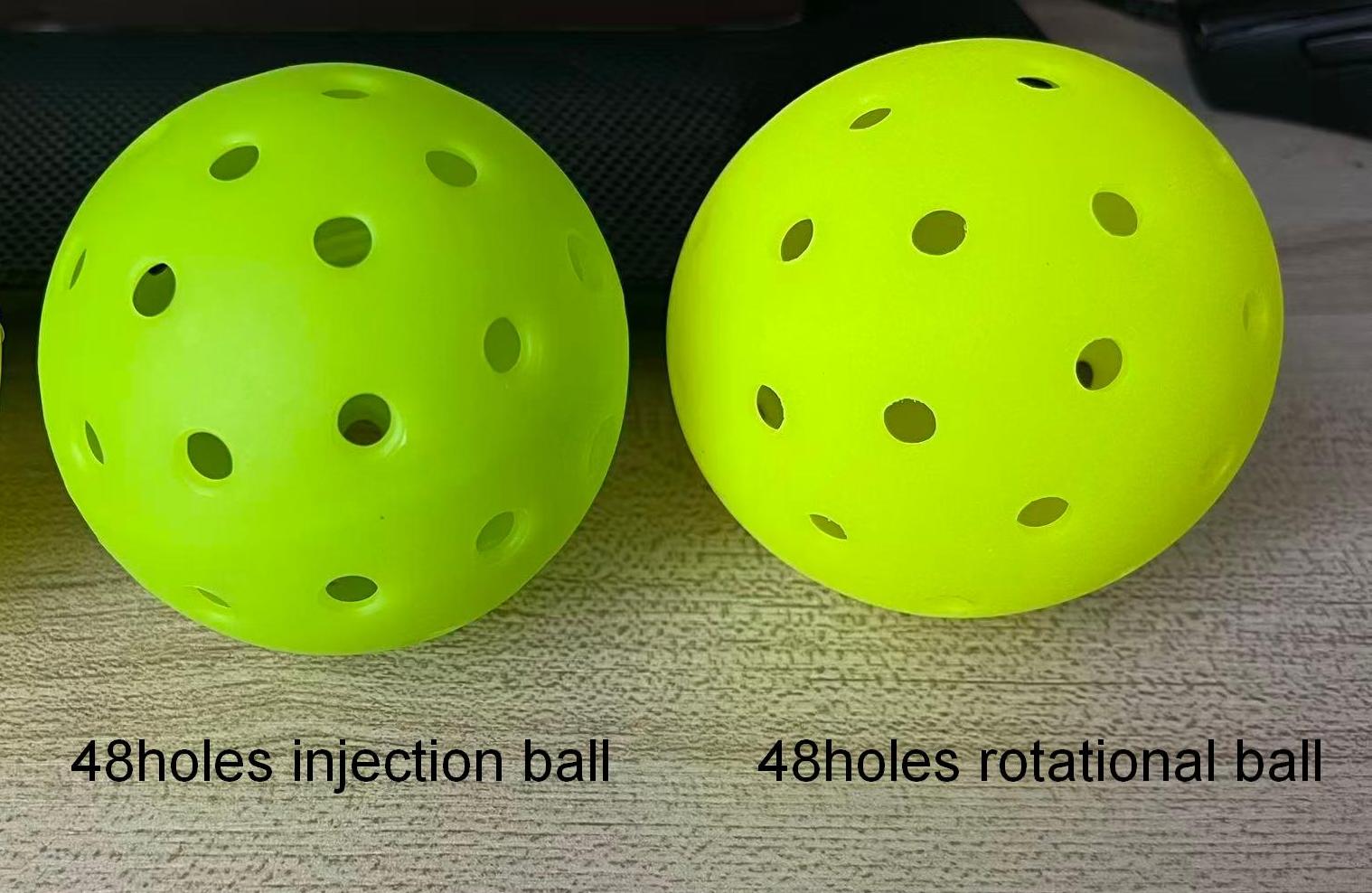
A 48-hole injection molded ball can be especially interesting for brands looking to offer a faster or more energetic product alongside a conventional rotomolded ball.
Rotomolded vs Injection Molded: What Is the Main Difference?
The main difference is the manufacturing method.
Rotomolding and injection molding create the ball in different ways, and this can influence:
Material distribution
Wall structure
Hardness
Rebound
Overall playing feel
However, buyers should not judge performance based only on the molding method.
The final result also depends on:
Material
Ball weight
Wall thickness
Hole pattern
Hardness
Roundness
Production consistency
This is why two balls using the same manufacturing process can still feel different on court.
Which Is Better for Pickleball Brands?
It depends on your product strategy.
Choose Rotomolded Balls If You Want:
Familiar product positioning
Durable one-piece construction
Stable bounce
Reliable roundness
A proven wholesale product format
40-hole or 48-hole options
Rotomolded balls can be a strong choice for brands building a core product line.
Choose Injection Molded Balls If You Want:
A more responsive playing feel
Faster ball reaction
A different rebound profile
Product differentiation
A second SKU for advanced market positioning
Injection molded balls can help brands create a product that is easier to distinguish from conventional ball offerings.
What About 40-Hole vs 48-Hole Models?
The molding method is only one part of the decision.
The hole configuration also matters.
40-Hole Rotomolded Ball
This is a widely recognized ball format and can be a practical choice for outdoor-oriented players, clubs and retailers.
48-Hole Rotomolded Ball
This model uses more, smaller holes and gives brands another product option while retaining rotomolded construction.
48-Hole Injection Molded Ball
This combines a 48-hole design with injection molding and can be positioned for a more responsive playing experience.
For brands, these three products can work together rather than competing with each other.
How Can Brands Build a Product Line?
A simple product structure could be:
Classic Series
40-hole rotomolded ball
Performance Series
48-hole rotomolded ball
Fast Response Series
48-hole injection molded ball
This makes it easier for customers to understand why each model exists.
It also gives brands more flexibility when selling to:
Clubs
Distributors
Sporting goods retailers
E-commerce customers
Regional markets
Which Type Is Better for Clubs?
Clubs usually care about practical performance.
Important factors include:
Bounce consistency
Flight stability
Ball speed
Durability
Player acceptance
Cost per use
Repeat supply
A club should not choose a ball based only on the production method.
Instead, it should test both constructions and ask players for feedback.
A useful test could include:
40-Hole Rotomolded vs 48-Hole Rotomolded vs 48-Hole Injection Molded
This gives the club a clearer understanding of how each product performs during actual play.
Can Both Types Be Customized?
Yes.
Custom logo printing can be discussed for suitable OEM and private-label orders.
Buyers can customize:
Logo
Ball color
Packaging
Retail boxes
Tubes
Private-label branding
This allows both rotomolded and injection molded balls to become part of a coordinated brand collection.
Looking for Rotomolded or Injection Molded Pickleball Balls?
We support brands, clubs and distributors with:
40-hole rotomolded pickleball balls
48-hole rotomolded pickleball balls
48-hole injection molded pickleball balls
Sample testing
Custom logo printing
Private-label packaging
Trial orders
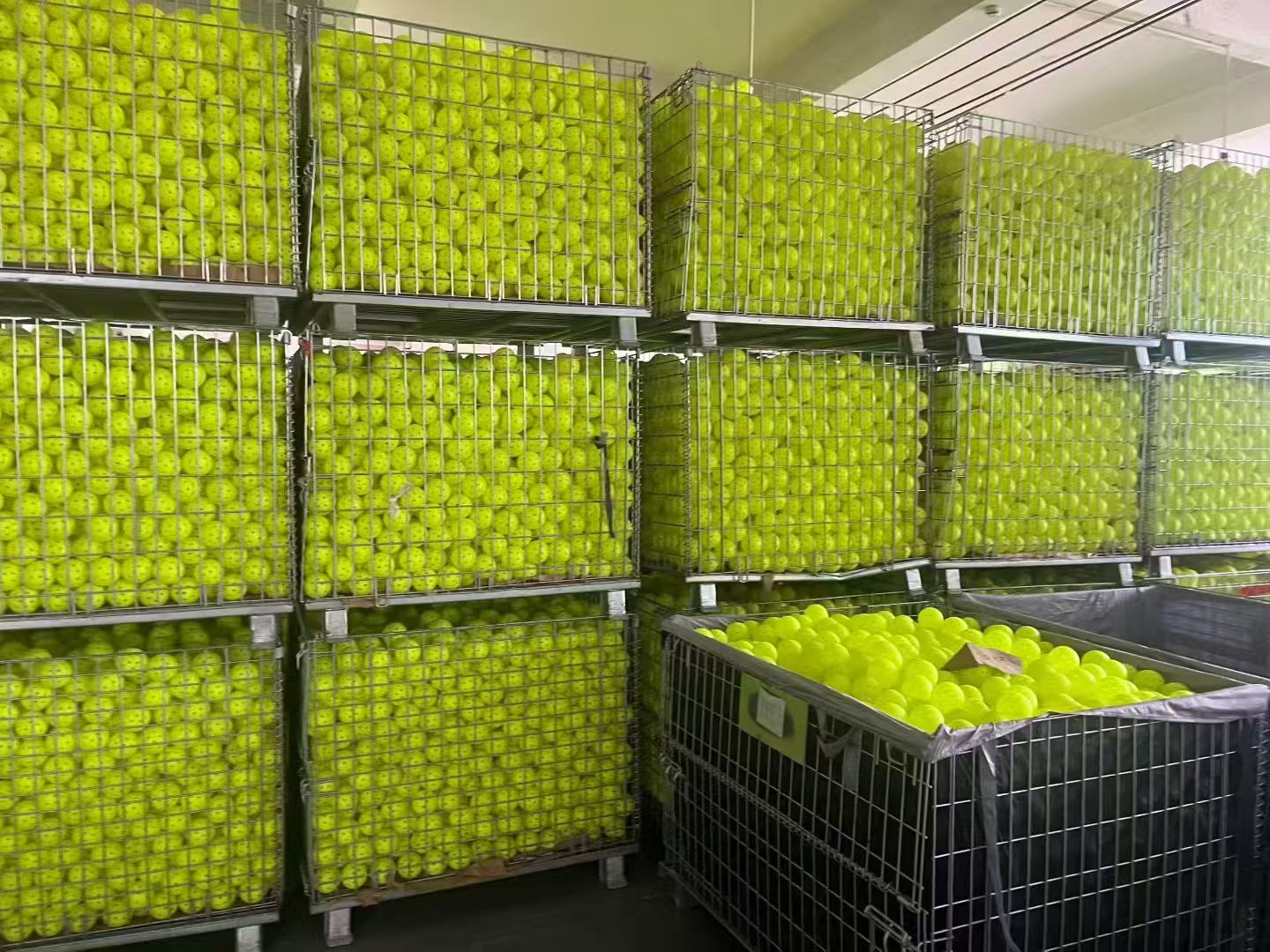
Bulk production
Repeat supply
If you are comparing different ball constructions for your brand or club, send us:
Target market + preferred models + quantity + logo + packaging requirements
and we can recommend suitable samples for testing.
Contact us today to compare rotomolded and injection molded pickleball balls for your next product line.